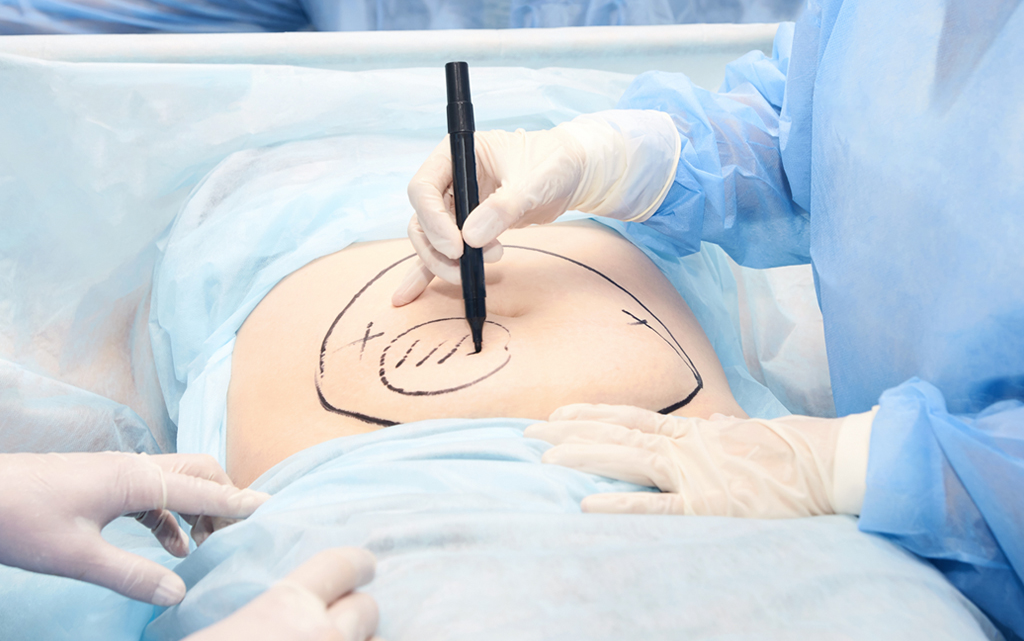
Colorectal healthcare has evolved dramatically over recent years due to continuous advancements in surgical medical technology. Previously, serious disease of the colon, rectum and lower digestive tract would involve extensive surgery that would cause a great deal of physical pain and a prolonged hospital stay. Innovative tools are now changing the way committed surgical teams evaluate, diagnose and treat gastrointestinal disorders. These advancements in technology provide an excellent opportunity to become familiar with the latest advances in overall patient safety and long-term patient outcomes for surgical patients around the world.
Advanced Robotic Platforms and High Precision Surgery
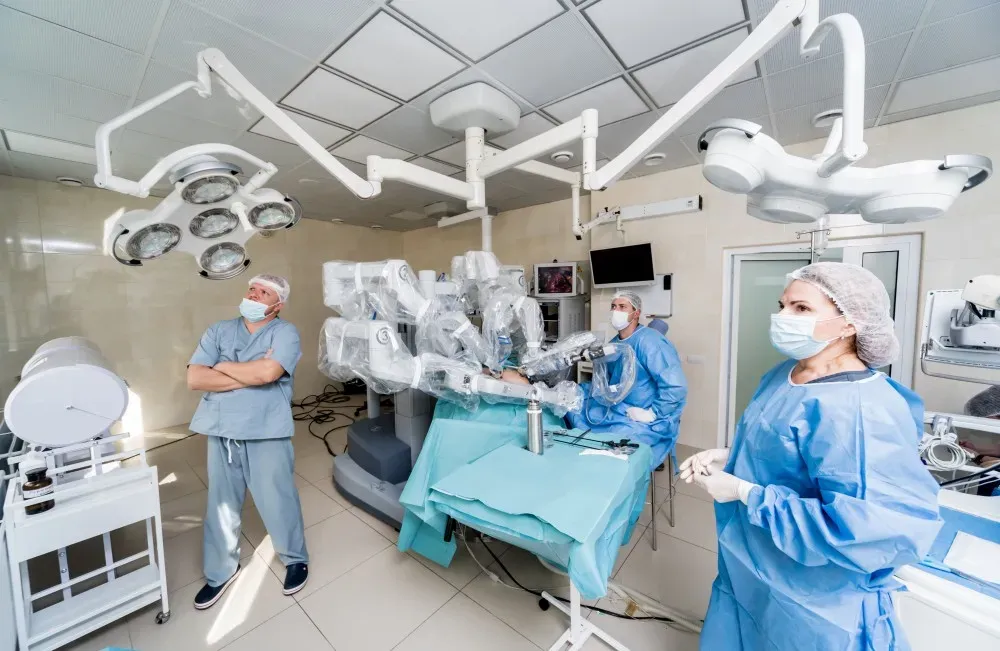
In the modern operating room, robotic technology has brought in an unprecedented degree of accuracy. A sophisticated camera and flexible robotic arms enable the surgeon to maneuver through the small incision through the body to extremely fine pelvic anatomy. Experienced clinical specialists such as Dr. Omar Marar leverage robotic innovation to execute detailed rectal cancer procedures with enhanced dexterity and magnified visual clarity. With this level of technical precision, there are fewer wasted tissues, less blood loss and shorter hospital stays after surgery, leading to safer operations and significantly improved recovery results for more complex colorectal health conditions for patients.
Artificial Intelligence in Preoperative Planning and Diagnostic Endoscopy
The use of artificial intelligence is increasingly becoming an invaluable tool in the diagnosis of gastrointestinal diseases and in surgical planning prior to surgery. A machine learning software algorithm is used to analyse the high-resolution scans of the anatomy to assist surgical teams in making assessments of complex internal structures before an incision is made. Real-time AI is used during diagnostic procedures such as standard colonoscopy to help doctors detect polyps that may be precancerous and not visible to them during the exam. Integrating these data-driven insights into diagnostic evaluations enables medical teams to create personalized treatment strategies tailored specifically to every individual patient’s anatomical needs and overall health profile.
Modern Laparoscopic and Minimally Invasive Approaches
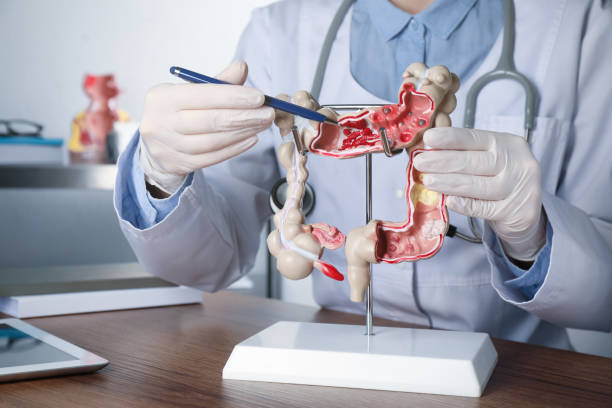
Laproscopic techniques have been further developed and are used in the treatment of chronic problems of the intestine, inflammatory bowel disease and diverticulitis with minimal intervention. Rather than making big cuts into the abdomen, the surgical teams use thin specialised instruments and micro-cameras to carry out detailed repair work within the body through small holes. Patients who have had laparoscopic surgery have less physical pain after surgery, less scar tissue and a significantly reduced risk of infection compared to open surgery. Such cutting-edge methods enable people to get back to physical strength and their daily lives within much shorter timeframes than they had previously believed.
Digital Diagnostics and Enhanced Recovery Protocols
Digital technology also has a crucial role to play in the modernisation of the whole care pathway, before and after surgical interventions. Enhanced recovery protocols (ERPs) are standardised care pathways which use digital monitoring to optimise patient preparation, pain management and early care of the physical mobility. Advanced diagnostic tools also streamline continuous post-procedure tracking, providing clinical teams with real-time updates regarding vital signs and recovery milestones. This organized, technology-supported care approach is a proven strategy to lower overall complication rates, reduce hospital readmissions, and safely and comfortably support patients’ reintegration at home.
Conclusion
Historically, advancements in the technologies available to colon and rectal care have been more swift and effective than ever before. Today innovations, ranging from robotic instruments to AI technology, minimally invasive techniques to digital recovery frameworks, are improving surgical care by making it safer and less cumbersome. With the ongoing advancements and innovations in these cutting-edge medical technologies, people experiencing complex colorectal health issues can expect enhanced surgical accuracy, reduced recovery times, and an overall better quality of life in the years ahead.