
Voice actors are the invisible engine of animation, who give the drawing life in form of subtleties, vitality and bare emotion. They work alone, with a script and a microphone and bring life to lines which have to be matched by animators to the images. Their art makes two-dimensional dialogue sound like iconic voices such as the bravado of Buzz Lightyear or the icy determination of Elsa, to have us forget that pixels breathe.
Deep Character Immersion
 Making the role real is a beginning of success. Voice actors break down the backgrounds, foibles and their motivations – visualizing the scarred history of a villain or submerged fears of a hero. They work in conjunction with the directors to correct tones: high-pitched mischief among minions and the gravelly deepness among dragons. Physicality assists even mic-bound; most of them pace, gesture madly or make faces to strike natural inflections, so that every grunt or giggle is well worn in.
Vocal Techniques and Range
Expertise requires flexibility. Vowels, rhythm, and tone are manipulated so that actors sound high and squeaky like kids or low and rumbling like beasts and can maintain extreme levels of both sounds and duration. Diaphragm action acts to project without strain with no trailing fades caused by breath techniques. Accents, dialects, and improvisations are the spice; a pause in this case implies uncertainty, change of tone in anger. Ad-libs are best done with comic timing, such as the scene of Genie improvising jazz riffs that reinvented Aladdin scenes that Robin Williams delivers.
Studio Magic and Direction
 Recordings combine loneliness and mentoring. The actors sing and dance over a pre-lay or scratch track, and repeat the lines until they reach perfection, after which the directors add overlays to create crowds of chaos. Punch-ins can correct flubs without restarting; animators can tailor images to exceptional takes, such as an exaggerated blink on the part of a character to complement a sharp pause. The home studios have made it democratic, but professionals tune mics to give sharp resonance and eliminate pops or hisses.
Emotional Layers and Subtleties
Great voices go beyond words. Minor pauses create a sense of tension, the volume increases the wrath, the whispering brings closeness. They are empathetic, get Tom Hanks Woody, struggling with allegiance as the toys of Toy Story rebel. Hundreds of performers voiced by iconic actors such as Mel Blanc on the basis of muscle memory, alternating between the sass of Bugs Bunny and the whine of Daffy in mid-take. The contemporary celebrities such as Awkwafina intertwine sarcasm in the drunken whim of the dragon in Sisu, creating connections that have a lasting effect even after the credits end.
Challenges of the Craft
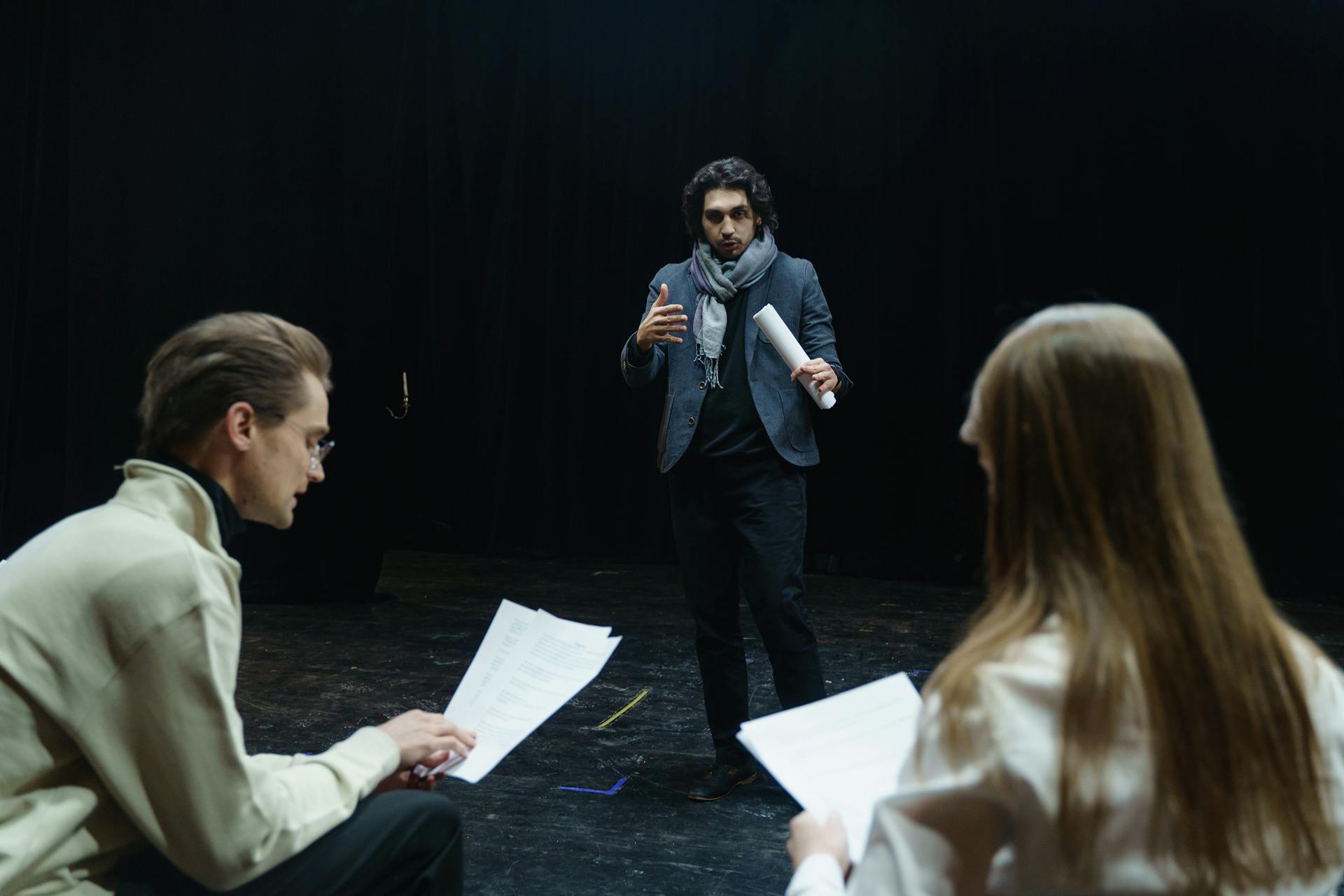 It It is tedious: the vocal chords are exhausted, the rejection hurts through reel reviews. Auditions require reels of 8-10 different clips- cartoonish divisions in different worlds, between preschool whimmy and teen edginess. Training keens wit and stamina and mic discipline; there is no place to make noise overacting. But victory-hurrah–as the planking of a laugh that bursts animator creaks–sweetens the soul.
Impact on Animation’s Soul
Voice work elevates stories. It expresses unspoken topics, making plots become feelings in the form of the silent montage of Up getting heartbroken through the cracks of Russell. The streaming ages enhance coverage; Tik Tok videos eternalize jokes. Filmmakers hail the way voices invoke animation adjustments, such as broader smiles at voiced joy.
Voice actors make animation talk. Their fusion -technique, technique combined with heart creates characters that we quote, cosplay, and love. Next binge? You can hear better; magic in the mic.