Cleaning out a garage or starting a remodel can quickly leave you with a mountain of waste. While hiring a dumpster is helpful, there is still some savvy to consider before you rent and prevent additional items from entering the landfill while saving a few dollars. Here is what you should know before you pick up the phone.
Know What You Plan to Throw Away
Write down what you currently have. Old furniture, clothing, boxes and broken appliances are often found in the house. Wood, dry wall, concrete, metal, shingles and flooring are items brought in during construction projects. How is this significant? Because the type of material affects the size of dumpster you need, the price you pay, and how much can be recycled. Make a quick walk through of your area and make a simple list before calling someone.
Choose the Right Dumpster Size
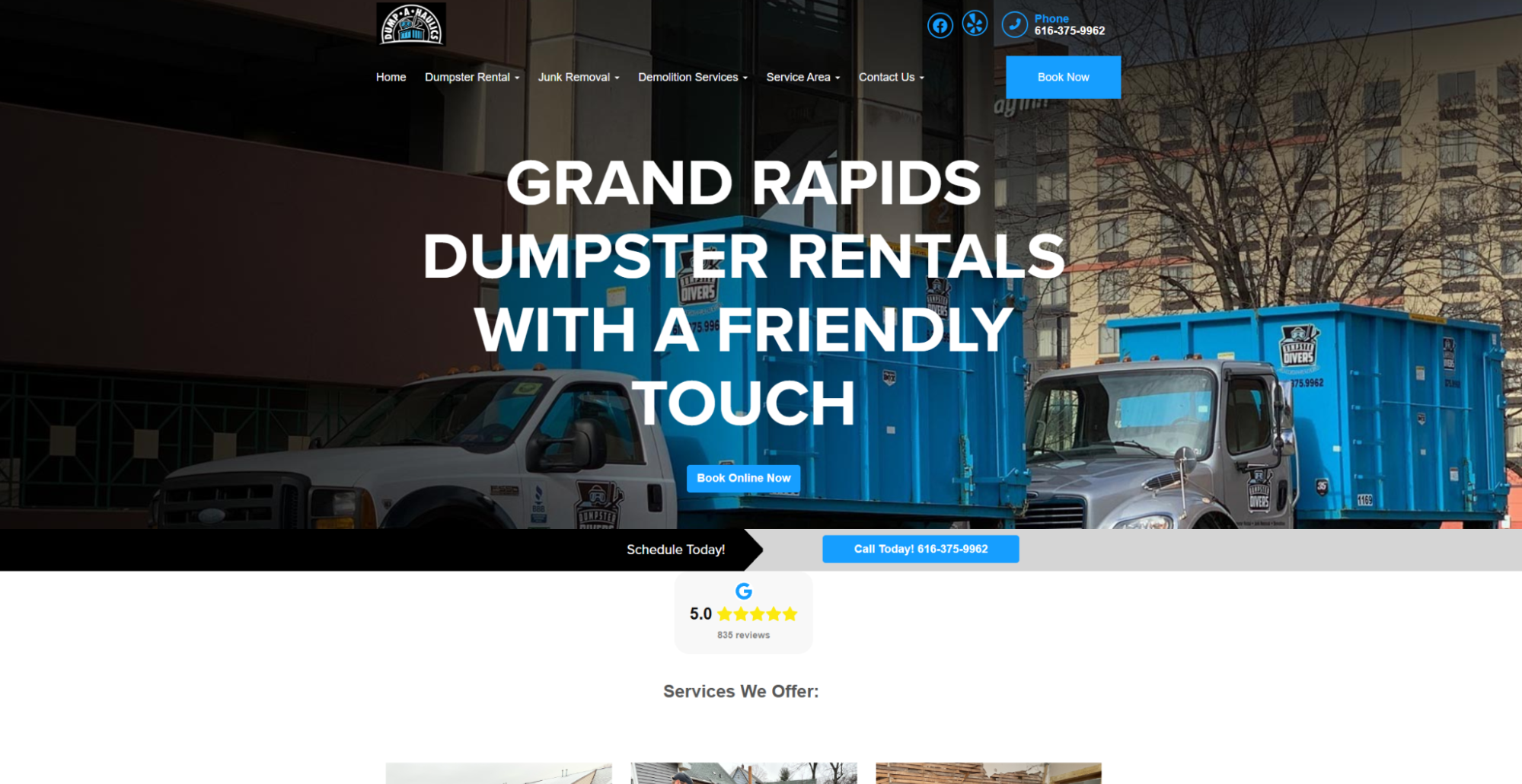
Size is the choice that trips up most renters. If it’s too small, you will pay for an additional trip. Too large, and you pay for space you never use. Local providers such as Dumpahaulics Inc. offer 4, 10, 15, and 20 yard dumpsters, which cover everything from a small garage cleanout to a full kitchen remodel. For basement cleanings and small renovation projects, a 10-yard dumpster or a 15-yard dumpster is a good choice. For roofing, larger remodeling projects, or full house cleanings, a 20-yard dumpster will be more suitable. If it is not certain, the company can assist in estimating.
Ask How Recycling Is Handled
Not every dumpster company recycles. Some simply go to the landfill. Inquire about waste disposal following pickup before making a booking. Good questions include whether metal and concrete are separated, whether usable items are donated, and where the material ends up. If you have a company with an actual recycling program, you can direct a significant portion of your trash to them, which helps the environment and may help your conscience, as well.
Check Rules, Permits, and Placement
What will the location of the dumpster be? If it runs in your driveway, measure the driveway and look for any branches or wires above. If it must sit on the street, you may need a permit from your city, so call your local office first. HOAs can make their own rules, too. Keep in mind that certain things are prohibited, for example, paint, chemicals, batteries, and any other hazardous waste. Request the list of items that are not allowed, in case you are caught off guard later.
Understand Pricing and Rental Time
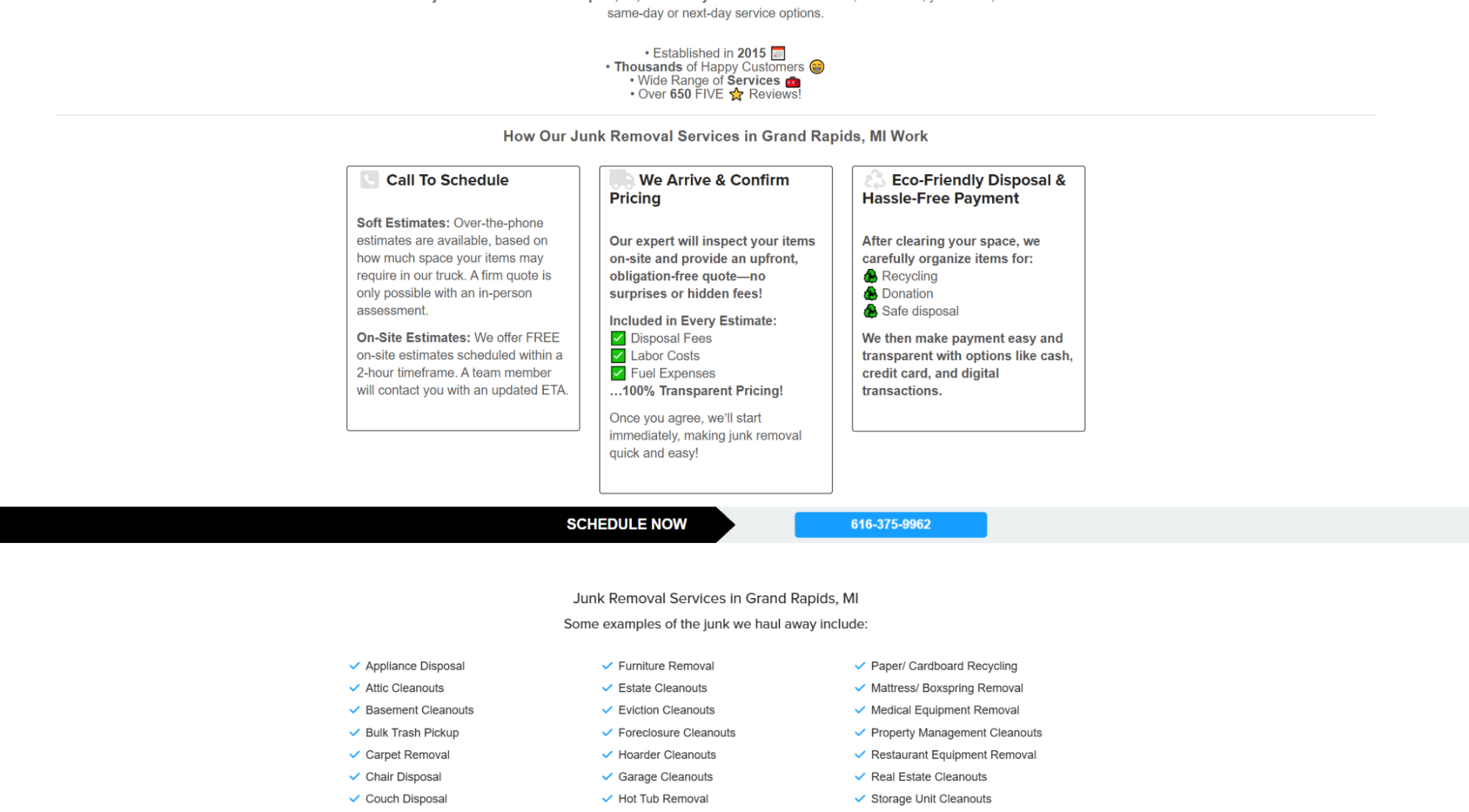
The price is more than the number you see first. Inquire about the length of the rental, weight limit, and any additional charges for overweight items or additional days. Dumping any heavy materials, such as concrete or roofing, can overload a dumpster in no time. Be sure to find pricing that is transparent and doesn’t have any hidden charges, or if you’re on a tight deadline for your project, book early as busy seasons can come and go quickly.
Plan Delivery and Pickup Timing
Consider the length of time and when you need the dumpster. Arrange for books to be delivered the day before you are due to be on location so you can load immediately. Check and confirm the pickup time; if additional time is needed, call ahead. When the driver is prepared to deliver the dumpster, they can arrive at your location in a timely manner and place the dumpster in the proper spot, preventing delays on your job site.
Load and Sort Smartly
The filling of the dumpster is important. Store heavy objects at the bottom and maintain load level so that none of the loads are above the walls. Separate clean wood, metal, and concrete from other waste where possible, as these are easier to recycle. Set aside items that still work or look good, because charities often accept furniture, appliances, and building supplies. Sorting just a little bit at the beginning can help minimize waste and your bill.
Conclusion
Hiring a dumpster shouldn’t be a stressful experience. Be aware of all that you throw out, choose the right size, inquire about recycling, find out the local rules, and be informed about the cost before you say yes. You’ll get your job done quicker, spend less, and dump less waste in the landfill. Save yourself a few minutes right now, and you’ll be able to clean up much easier tomorrow.