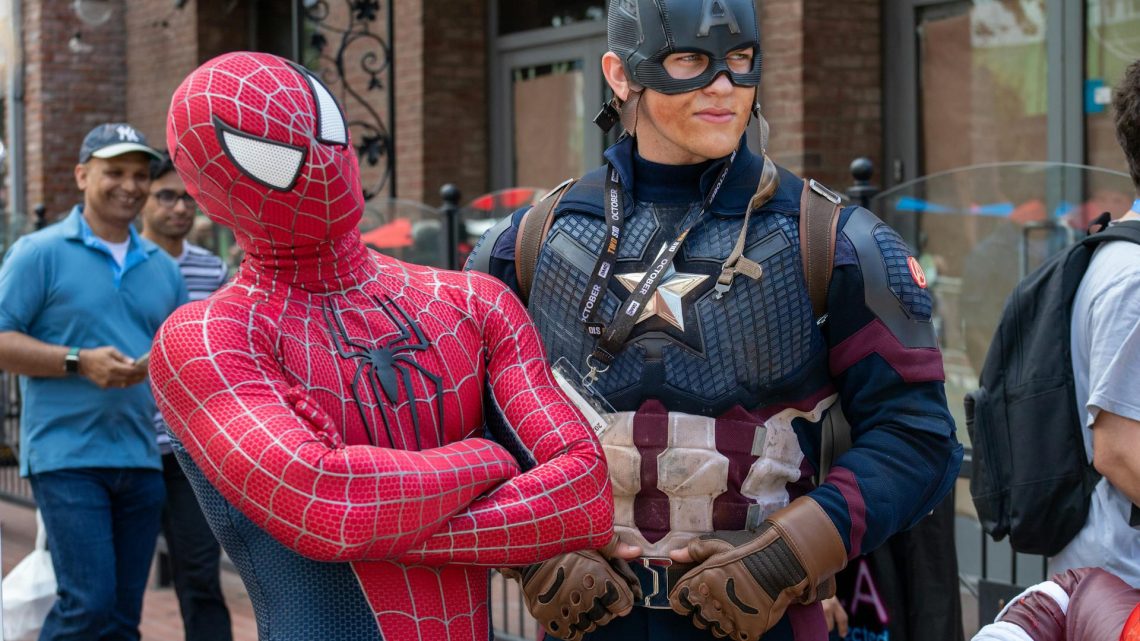
The fan culture has not only grown into niche clubs but also world forces with the ability to change the way studios greenlight, market and even edit films. Superfans have become influencers of billions of dollars at the box office with the help of social media, conventions, and streaming data, making casual fans become vocal stakeholders. This is a reversal of power that gives audiences less control but places pressure on creators to merge passion and profit in the new playbook in Hollywood.
Roots in Fandom’s Golden Age
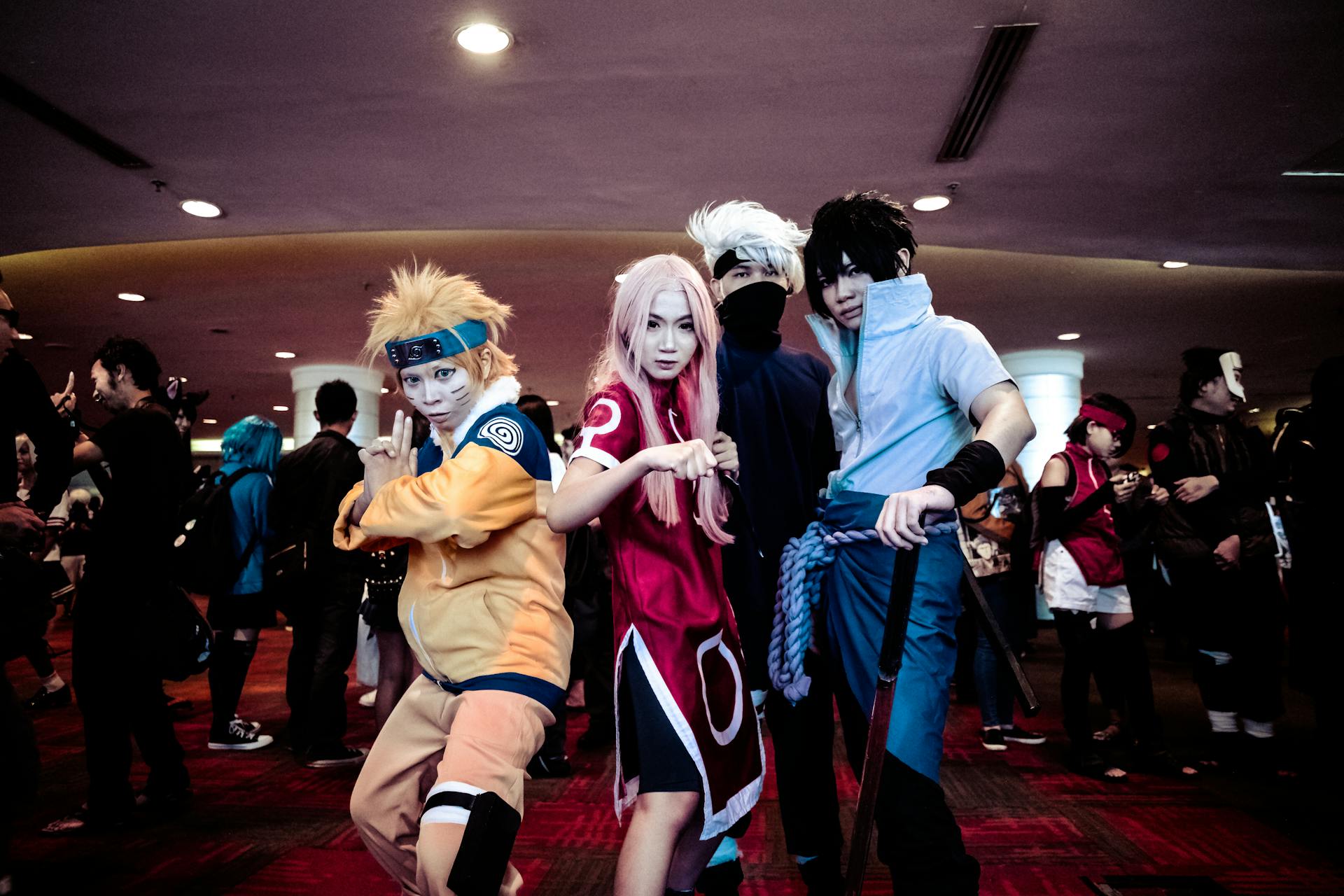 In 1970, the modern fan force was born at Comic-Con that attracted 300 sci-fi fanatics. By the 1990s conventions had grown to thousands in Star Wars and Star Trek, which based devotion on costumes and discussion. It got a big boost by the internet: initial forums such as TrekBBS took it apart, episode by episode. The online armies of Harry Potter (millions of stories posted on FanFiction.net) in 2000s proved that the franchises do not end in theaters.
Social Media Amplifies the Roar
Twitter (since changed to X), Tik Tok and Reddit transformed whispers into tsunamis. ReleaseTheSnyderCut trended in 2020-2021, attracted 2 billion views with a recut of Justice League by Warner Bros. costing it 70 million dollars, and Justice League streamed 2.2 million households on its initial day. There develop toxic fandoms as well as the Star Wars backlash of Rey being a Mary Sue made Kathleen Kennedy go on the defensive. Algorithms give prizes to outrage, spiking views: one viral thread can crash studio servers with review-bombs.
Box Office Boost from Fan Armies
Opening weekends are provided by passionate bases. The Cinematic Universe of Marvel runs on Reddit leaks and TikTok speculation with an Iron Man-longer gross of $31 billion. Sonic the Hedgehog has been transformed into a theatrical disaster by fan memes, but his 2020 redesign, subsequently, was a massive success with a $320 million theatrical gross. Nostalgic pilots gave prequels such as Top Gun: Maverick (2022) 80% want to see ratings, grossing $1.5 billion. Trailers are now premiered in Comic-Con studios with all the instant passion.
Marketing Tailored to Tribes
Fan events dictate hype. Hall H walls reveal videos to screaming audiences, cut into YouTube viral content. Disney+ leaves Easter eggs behind to Pixar fans; A24 appeals to arthouse Redditors with mysterious posters. YouTubers that break lore are influencer armies that are reached naturally. Data mines fan wikis: Riddler masks sold by the Batman (2022) after internet hype.
Creative Influence and Studio Caution
Sequels are the order of the fans: Pandora superfans ensured that Avatar had a 13-year wait that has already earned $2.3 billion in 2022. Notorious Backlash kills too- Cats (2019) review-bombed to a loss of $104 million during meme hell. Directors change: Patty Jenkins refers to Wonder Woman 1984 adjustments made based on the reaction of fans. However, fan service can be bloated – portals in Endgame were enjoyable, but multiversal fatigue at more advanced stages.
Toxic Side and Industry Pushback
Gatekeeping alienates: The 2014 dissemination of Gamergate to movies aimed at Anita Sarkeesian criticism. Review bombing biases Rotten Tomatoes Captain Marvel has received 53% audience rating by organized trolls. Verified reviews and anti-harassment policies are counteractions against studios. On the positive side, the presence of inclusive fandoms makes them more diverse: Black Panther Wakanda salutes constructed bridges between cultures.
Future: Fans as Co-Creators?
AI can generate sentiment on scripts; Web3 can provide the user with a chance to vote on a plot line using NFTs. Barbie vs. Oppenheimer duel, by Barbenheimer (2023) spurred two fan events that earned the film $2.4 billion. With Gen Alpha maturing on the internet, participatory releases: the choose-your-ending streaming experiment are to be expected.
The fan culture democratizes the film industry, making the audiences the validators. It gives birth to icons and gives life to entitlement, passion makes money, but art is submissive to crowds. Studio is paying more attention; the audience is calling plays.